Table of Contents

If you’ve ever been caught out hungry with nothing keto-friendly on hand, you know how quickly things can go sideways. Grab & go snacks aren’t just a nice-to-have — they’re the difference between staying on track and giving in to whatever’s convenient.

Eight years ago, I shared a simple snack list on Pinterest. It was shared as part of this post about doing keto while you travel. It wasn’t branded, it wasn’t even vertical — but somehow it became one of my most saved pins ever. So I finally gave it the update it deserved.

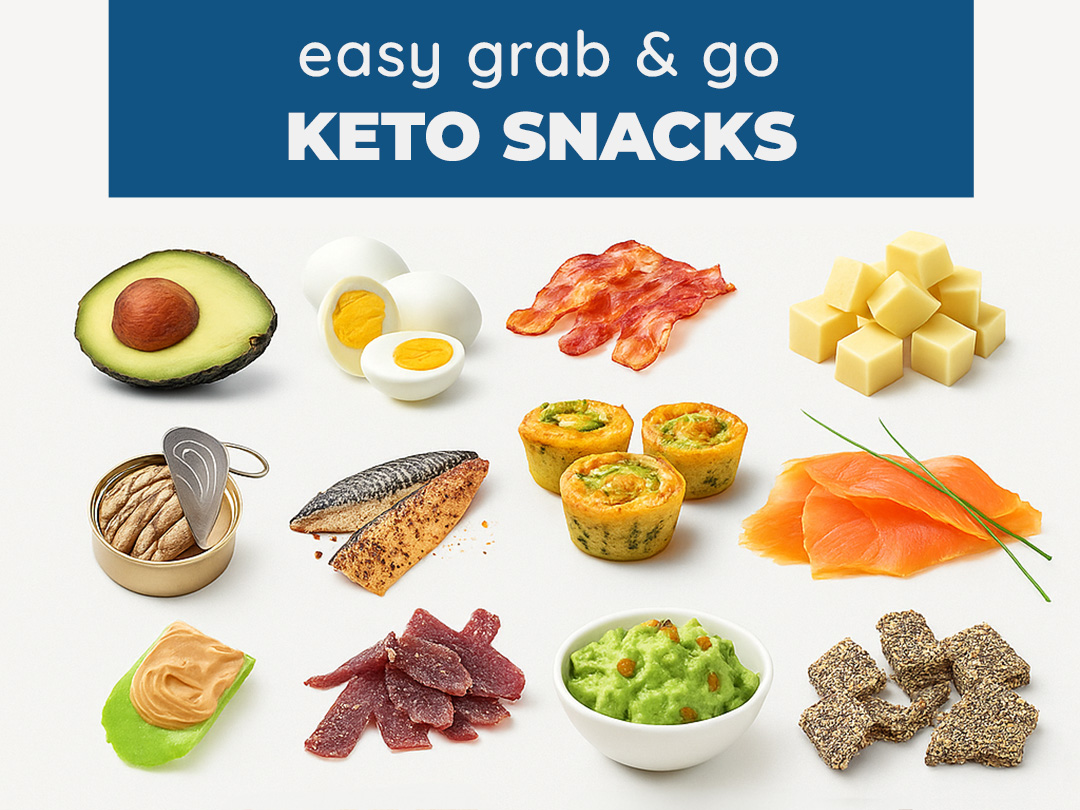
I created a new, more comprehensive version of the graphic (you’ll find it below), and this time I’m including extra tips and context. These are the snack ideas I rely on most — especially now, with toddlers, work deadlines, and a focus on high-protein keto that keeps me full without needing full meals.

Whether you’re packing a lunchbox, heading out for the day, or just need something ready in the fridge, these are easy, real-food options that don’t rely on bars or products full of mystery ingredients.

Do You Even Need Snacks on Keto?

I’ll be honest — I rarely snack.

If you’re eating a well-balanced, high-protein keto diet, chances are you won’t need to snack in the traditional sense (mini meals between meals). But when I talk about “snacks,” I really mean convenient food — things I can grab when I’m too busy to cook, out of the house all day, or need something portable for travel.

That’s the kind of snack list this is. These are not “just a little something” to nibble on — they’re real, satisfying foods that can fill a gap, help you meet your protein goals, or act as a light meal when life doesn’t go to plan.

Fridge-Friendly Snacks

  • Boiled eggs - Simple, filling, and portable. Add a pinch of salt or pair with mayo or avocado for extra satiety.

  • Cheese cubes or sticks - Hard cheeses like cheddar, mozzarella or gouda are great on the go and don’t need refrigeration for a few hours. Look for moderate to full-fat, high-protein options with no added starches or fillers.

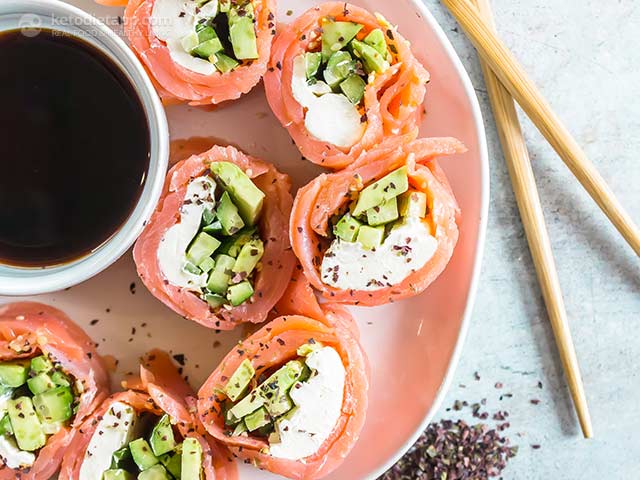
  • Smoked slices or salmon rolls - Wrap cream cheese or cucumber in smoked salmon for a quick protein-fat combo. Best eaten the same day unless vacuum-packed. Here's a recipe you might like: Keto Sushi Smoked Salmon Roll-Ups.

  • Cold meats or roll-ups - Ham, salami, turkey, or prosciutto rolled around cheese or veggies. Best eaten within a day or two. Here are some recipes you might like: Ham & Cheese Horseradish Roll-Ups or Turkey & Veg Roll-Ups.
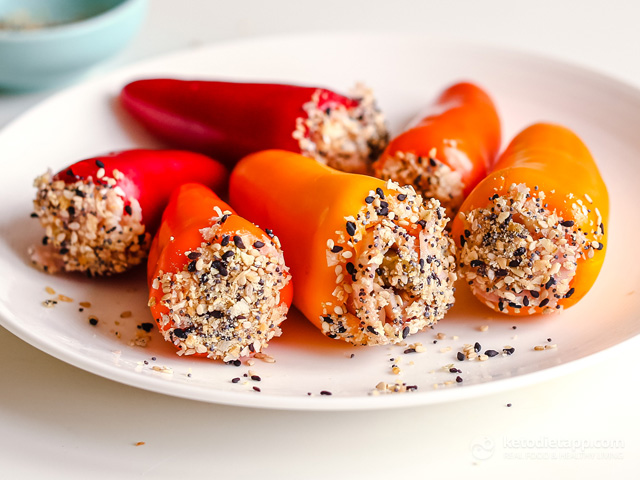
  • Cheese-stuffed baby peppers - Sweet mini peppers filled with cream cheese or herby cheese spreads. Looks good, tastes better, and works in lunchboxes too. Here's a recipe you might like: Everything Bagel Stuffed Baby Peppers.

  • Guacamole cups - Look for single-serve guac packs — or make your own and store in small jars. Great with veggies or pork rinds. If you want, you can even make your own Guacamole..

  • Vacuum-packed olives - Easy to find and perfect for travel. Choose plain or herbed — avoid ones marinated in sugary dressings. Looking for a flavor boost? Here is a recipe you might like: Mediterranean Marinated Olives.
  • Avocado halves - Leave the pit in, squeeze some lemon or lime over it, and reassemble to stop browning. Add salt and eat with a spoon.

  • Greek yogurt (unsweetened) - Full-fat plain Greek or coconut yogurt with a few nuts or berries makes a satisfying snack. Best if you’re not too sensitive to dairy.

  • Berries (in moderation) - Raspberries, strawberries or blackberries are the lowest in carbs. Good with yogurt, nut butter, or just on their own. Stick to small portions.

Pro tip: For any of these, a small cooler bag and ice pack will keep things fresh for hours.

Shelf-Stable Snacks

  • Low-carb protein bars - If you’re going for bars, check the label carefully. Avoid sucralose, maltitol, and IMOs. Good options include Perfect Keto or bars sweetened with allulose or stevia. Here are the products I recommend:

You can even make your own protein bars! Here are some recipes you might like: Keto Maple Pecan Protein Bars, Chewy Keto Chocolate Chip Granola Bars, Chewy Keto Maple Pecan Granola Bars or Keto Almond Protein Balls.

  • Nuts and seeds - Stick to lower-carb options like macadamias, pecans, walnuts, almonds, hazelnuts, brazil nuts, pili nuts, pepitas and sunflower seeds. Avoid mixes with dried fruit, seed oils or coatings. Go easy on cashews and pistachios — they’re higher in carbs than you’d think. Brazil nuts are a great source of selenium, but 1 to 3 a day is enough. Looking for inspiration? Try these recipes: Chile-Lime Spiced Almonds, Spiced Pecans and Sweet and Savory Roasted Pepitas.
  • Nut butter snack packs - Single-serve almond or macadamia butter sachets are handy when you need fat and energy on the go. Great with celery, dark chocolate, or just a spoon. For extra healthy fats, choose macadamia nut butter. I like House of Macadamias - they create products exclusively from macadamias! Click here for 15% off House of Macadamias.

Guess what? You can even make your own nut butter! Here are recipes you might like: Toasted Coconut Butter, Macadamia Coconut Collagen Butter or Almond & Cashew Butter

  • Canned tuna or salmon - In olive oil or spring water, no fridge needed. Look for BPA-free tins and clean ingredients. A solid protein backup for long trips.

  • Dark chocolate (85% or higher) - A square or two goes a long way. Look for low-carb options with no added sugar. You can also add a tablespoon of peanut or any nut butter for a more satisfying snack.

  • Roasted seaweed snacks - Crispy and salty, with virtually no carbs. Choose plain or sesame — some flavored versions contain sugar or MSG.

  • Pork rinds - Crispy, salty, and zero-carb. Great dipped in guac or used as a chip replacement. Can't find a clean product with no additives? Make your own pork rinds!

  • Dried coconut chips - Stick to unsweetened versions. A good source of fat and fiber, and pairs well with nuts. You can even make flavored coconut chips at home. Here are recipes you might like: Keto Spiced Coconut Chips (sweet) and Tandoori Coconut Chips (savory).

Quick Assembly Snacks

  • Celery + nut butter - Classic combo. Add a sprinkle of salt or cinnamon for flavor. Any nut, seed or peanut butter will work. Keep the nut butter in a small container or pre-filled celery sticks.

  • Mini “bento” snack boxes - Combine a few staples: hard-boiled eggs, cheese, olives, cucumber sticks, and some nuts. Works for adults and kids alike. Here's a recipe you might like: No-Cook Bento Lunchbox.

  • Leftover meat slices - Chicken thighs, roast beef, or steak — sliced and ready to eat cold. Wrap in parchment or pack in lunch boxes.

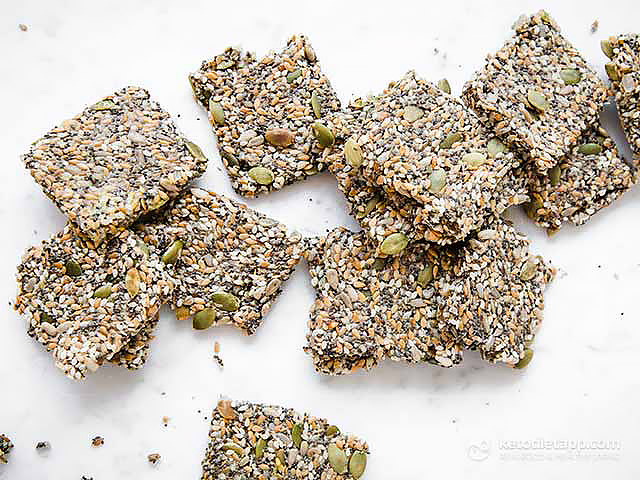
  • Keto crackers + cheese or dip - If you bake your own or use a clean brand, crackers with guac, pate, or soft cheese can be a great snack that feels more like a meal. Here are recipes you might like: Crispy Multiseed Keto Crackers (our much loved cracker recipe), served with Blue Cheese Dip (yes, you can even make crackers our of pepperoni slices!), Muhammara Dip or Avocado & Basil Dip.
Pro tip: Keep small leak-proof containers and ice packs handy if you’re packing anything creamy or perishable.

How to Pack Keto Snacks for Busy Days

If you’re taking snacks on the road, to work, or packing lunchboxes, a bit of planning goes a long way. Here are a few tips I’ve found helpful for keeping things fresh, mess-free, and ready to eat when you need them:

  • Use leak-proof containers for anything soft or runny — like guacamole, dips, or yogurt. Both metal containers or glass containers are great durable option.
  • Keep dry snacks separate to avoid sogginess. Crackers, pork rinds, or nuts store best in small zip bags or snack-size containers.
  • Invest in a small insulated bag like this and a couple of ice packs if you’re packing eggs, cheese, meat, or anything dairy-based.
  • Portion things ahead of time — whether it’s a few meat roll-ups or single-serve nut butter sachets. It saves time and cuts down on packaging.
  • Reusable silicone bags like these or mini jars like these are great for sliced meat, veggie sticks, or olives. Easy to clean and good for the planet too.

If you’re not going to eat something within a few hours, it’s worth thinking about how it will hold up outside the fridge — especially in hot weather.

Final Thoughts

You don’t need fancy products or hours of prep to stay on track. These are the snacks I keep coming back to — real food, quick to pack, and satisfying enough to get me through a busy day without grabbing whatever’s convenient.

Whether you’re traveling, working long hours, or just trying to stay ahead of hunger with kids in tow, having the right options ready makes a big difference.

If you have a favorite grab & go keto snack that’s not on this list, I’d love to know — leave a comment below or tag me if you share it, and I'll add it to the list!

Easy Grab & Go Keto Snacks Infographic
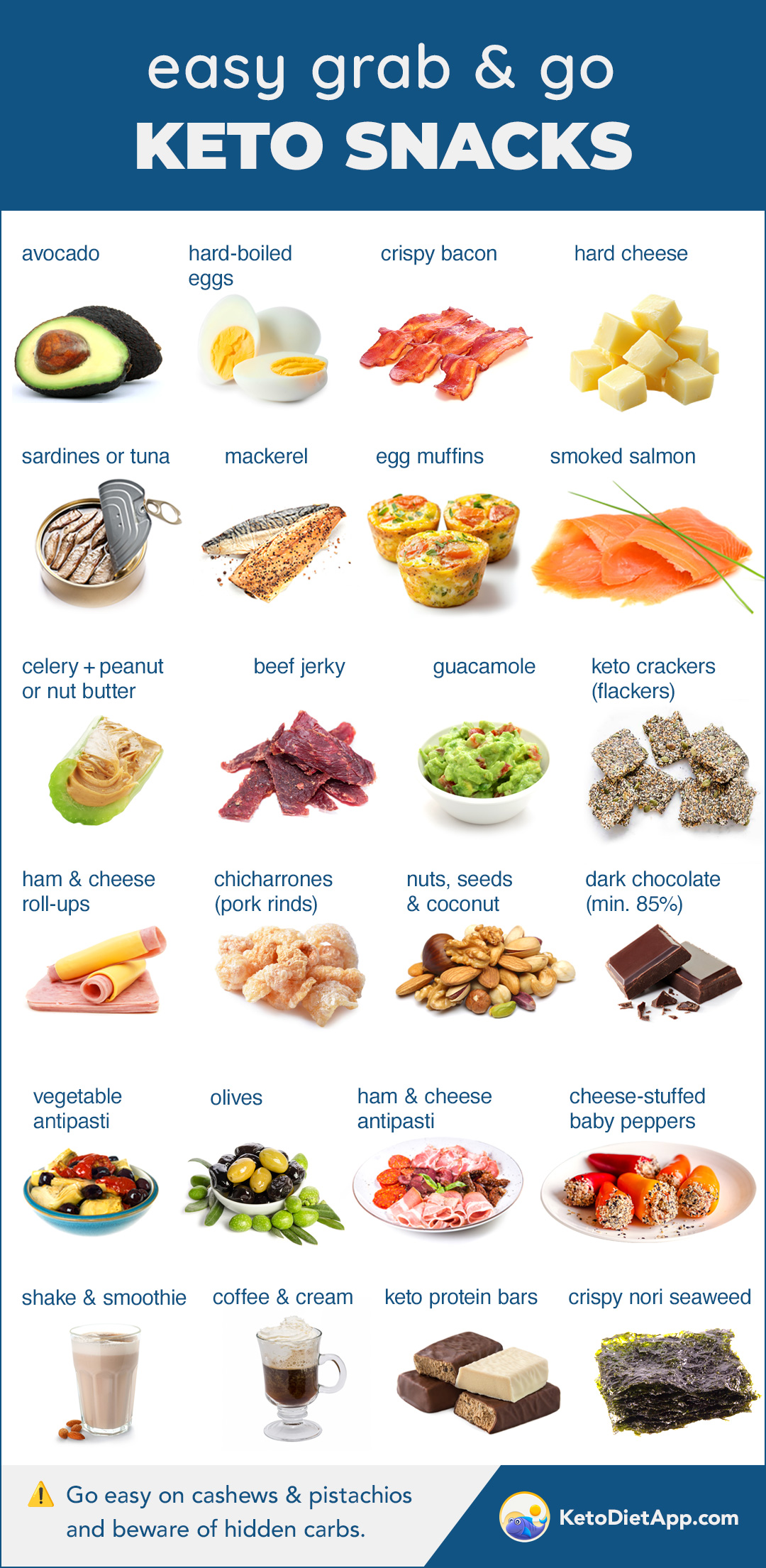
This post was written by Martina Slajerova, creator of the KetoDiet app, author of 10+ keto cookbooks, and recipe developer with over a decade of experience in low-carb nutrition. All recipes and tips shared here have been tested and approved by my family (yes, even the toddlers!).


from KetoDiet Blog https://ift.tt/GLHhA8N
via IFTTT
Grab & Go Keto Snacks: 25+ Quick, High-Protein Ideas

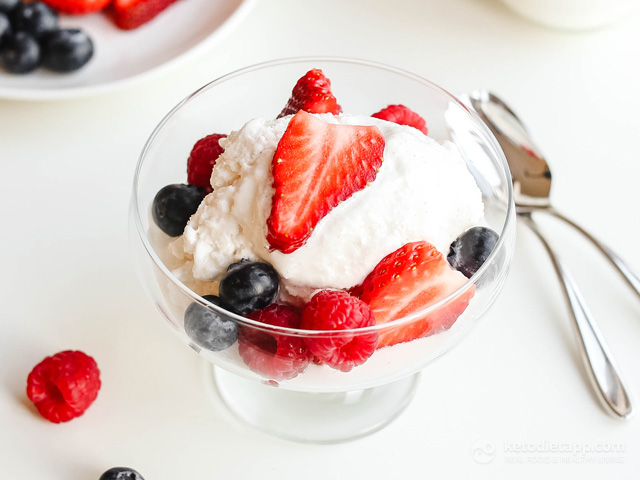
I couldn’t even settle on a name for this one—somewhere between froyo, sherbet, and granita—but the vibe is simple: easy frozen keto treat. Blend it in minutes and freeze for a creamy, frosty scoop, or stop early and pour it into a glass for a refreshing summer drink. No churn, no gadgets. Keep it dairy-free and vegan by skipping collagen or using plant protein—or make it with Greek yogurt if you prefer dairy. It’s the kind of freezer treat I make when it’s hot and I want something cold without making a project out of it.

Ingredients and Swaps

Here’s what I use and how you can switch it up:

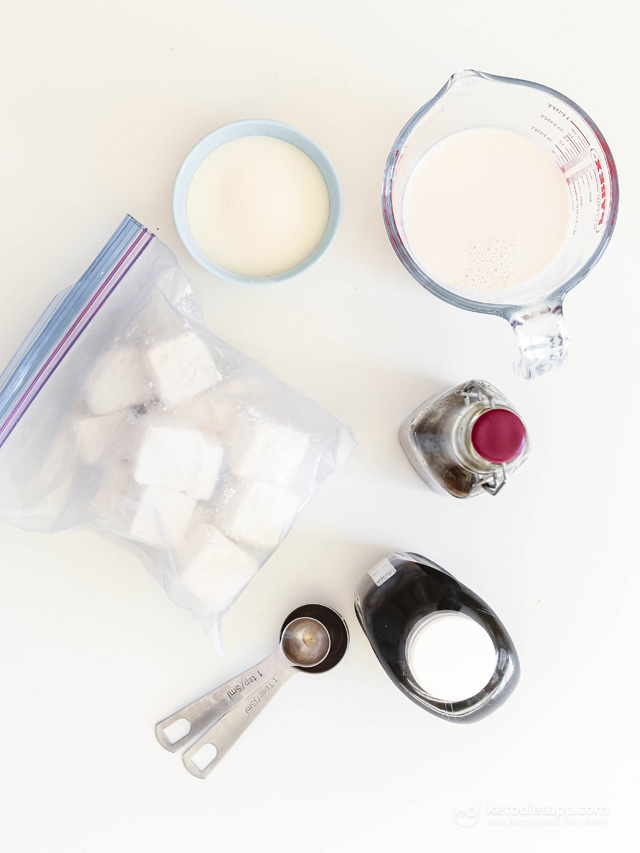
  • Coconut Yogurt: Unsweetened vanilla or plain. If plain, add a little sugar-free vanilla extract or vanilla bean powder.
  • Coconut Milk: Light coconut milk like Aroy-D = creamier; almond milk = lighter but a bit icier. Full-fat canned coconut milk can be used too (higher fat and creamier).
  • Allulose: Syrup keeps it softer; granulated works but can feel slightly grainy. Can be used to taste, especially if using flavored protein powder.
  • Protein Powder: Adds protein and a creamier sip. Use pea protein powder if you want to keep it vegan. You can also use whey protein powder, or use collagen or beef protein isolate to keep it dairy-free.

Which coconut yogurt is best?

Go for unsweetened, full-fat coconut yogurt with a short ingredient list (coconut, water, live cultures). Thicker is better—if yours is runny, strain it or reduce the milk. Unsweetened vanilla works too. Cocos (formerly COYO) is a great pick; it does contain a little tapioca starch (in case you're sensitive to it), and the carbs are similar to plain Greek-style yogurt.

Can I use dairy yogurt?

Yes. Full-fat Greek or thick plain yogurt works 1:1 for coconut yogurt. It’ll be a touch tangier and creamier. Not vegan or dairy-free, of course. Ideally use 5-10% fat Greek yogurt. Options like Skyr (0% fat) will work too but will be less creamy and more icy.

Can I replace allulose syrup with granulated sweetener?

Yes! You can use powdered allulose, xylitol or erythritol. Please note that Erythritol sets firmer/icier. If using granulated sweetener: Dissolve 4 tbsp granulated sweetener in 2 tbsp hot water and let it cool slightly before adding to the blender. Get 20% off RxSugar Allulose here.

Flavor options

  • Chocolate: 1–2 tbsp unsweetened cocoa. Add 1–2 tsp more allulose to balance.
  • Cinnamon: 1–11/2 tsp ground cinnamon; a little vanilla is nice here.
  • Any other flavor: Add a scoop of your favorite protein powder. I use collagen powder from Perfect Keto - get 20% off and beef protein isolate from Equip - get 15% off. If your protein powder is sweetened, reduce the allulose.

Tips for Best Results

A few tweaks make this turn out exactly the way you like it.

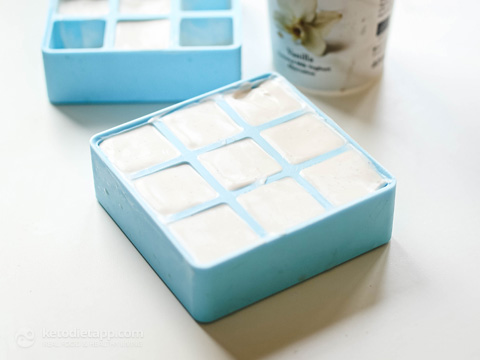
  • Freeze the yogurt in a silicone ice tray so the cubes pop out cleanly.
  • Thick yogurt = creamier texture. If yours is thin, strain it or use a bit less milk. You can use a nut milk bag to do that.
  • Cold dulls sweetness—taste the base before freezing and adjust the allulose.
  • Using granulated sweetener? Dissolve it in a warm splash of the coconut milk or almond milk first.
  • For a smoother set, stir every 20–30 minutes as it freezes.
  • Too thick to blend? Add milk, a tablespoon at a time, until it blends smoothly.
  • Store covered to prevent ice crystals on top; soften on the counter 5–10 minutes before scooping.

Serving Suggestions

Preparation time

Hands-on:    15 minutes
Overall:    3-4 hours

Nutritional values (per serving, about 1/2 cup)

Total Carbs 4.6 grams
Fiber 0 grams
Net Carbs 4.6 grams
Protein 5.5 grams
Fat 23.7 grams
of which Saturated 20.8 grams
Energy 255 kcal
Magnesium 1 mg (1% RDA)
Potassium 1 mg (1% EMR)

Macronutrient ratio: Calories from carbs (7%), protein (9%), fat (84%)

Ingredients (makes 6 servings)

Instructions

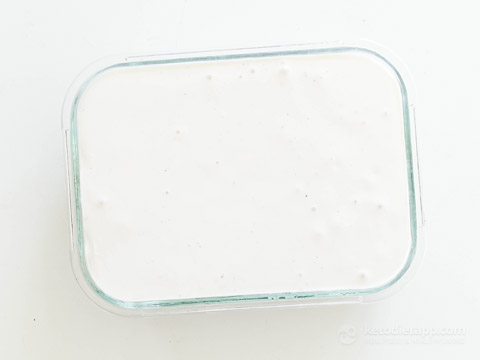
  1. Spoon the coconut yogurt into a silicone ice-cube tray (it releases cleanly). Freeze until solid, about 2 hours. You can freeze extra and keep the cubes in a bag for later.
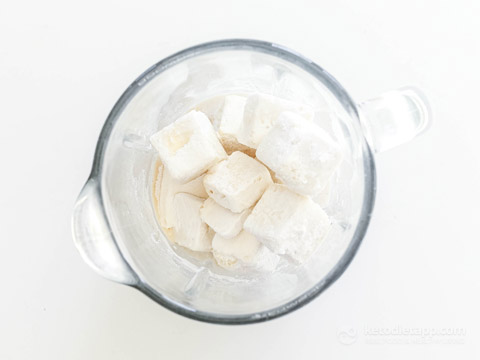
  2. Add the frozen yogurt cubes, light coconut milk or unsweetened almond milk, the allulose syrup or powdered sweetener, collagen powder (see recipe tips for more options), and vanilla if you used plain yogurt.
  3. Blend on high until smooth and thick—think ice-shake/Frosty texture. You can serve it now as an ice shake: Pour into glasses and enjoy immediately if you like it drinkable.
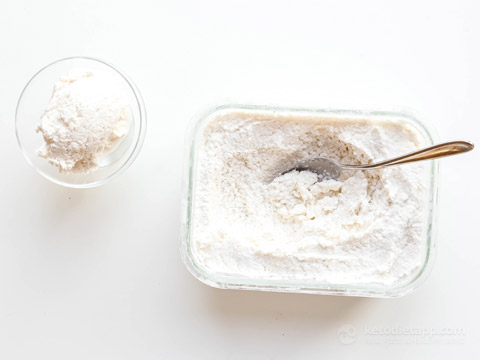
  4. Or you can freeze it for froyo: Transfer to a shallow, freezer-safe container, cover, and freeze for about 2 hours. If you want a smoother texture, stir every 20–30 minutes.
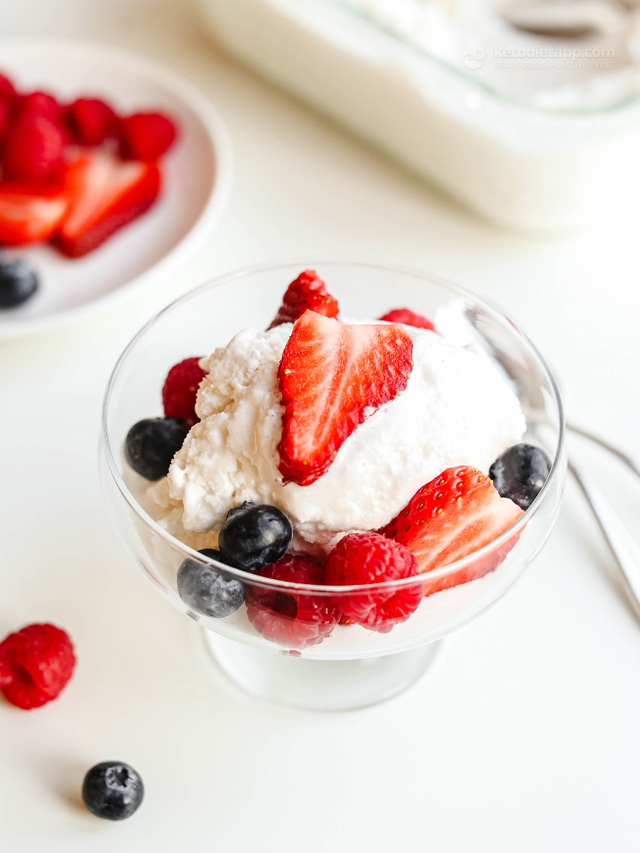
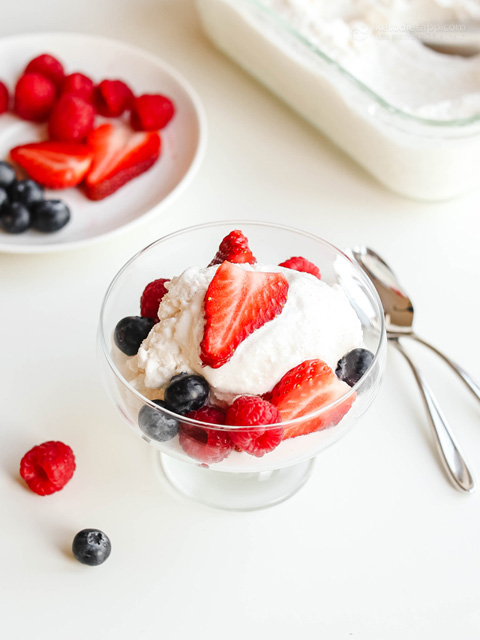
  5. Scoop & serve: Let the container sit at room temperature for 5–10 minutes to soften, then scoop. Add your favorite toppings like fresh berries and Sugar-Free Strawberry Syrup or sugar-free chocolate syrup.


from KetoDiet Blog https://ift.tt/ixazc0w
via IFTTT

No Churn Keto Frozen Coconut Yogurt

When my friend Nick Norwitz asked me to come up with a fermented macadamia recipe, I was immediately on board. I love a good challenge in the kitchen, and this one turned out so well that I knew I had to share it. I knew macadamia nuts work really well in hummus, so it was a no brainer!

This hummus is creamy, slightly tangy, and incredibly easy to make. Soaked macadamia nuts have a texture surprisingly close to chickpeas, but without the carbs or anti-nutrients that can make legumes harder to digest. Plus, they’re packed with healthy monounsaturated fats, making this a great option for anyone following a healthy Mediterranean-style diet. Whether you pair it with crunchy veggies, keto crackers, or toasted low-carb bread, this is one dip you’ll want to keep on hand.

Ingredients and Swaps

This fermented macadamia hummus comes together with just a handful of ingredients, each playing an important role in flavor and texture.

  • Macadamia Nuts: The base of this recipe, giving it a creamy, buttery texture. Soaking them softens them for blending and helps with digestion.
  • Kefir Starter: Kickstarts the fermentation process, adding gut-friendly probiotics and a subtle tangy taste.
  • Tahini: Adds richness and depth while keeping the hummus smooth and creamy. Garlic: For that classic hummus flavor. Use one large clove or two smaller ones.
  • Lemon Juice: Brightens the flavor and enhances the tanginess of fermentation. Sea Salt: Balances and enhances all the flavors.
  • Sumac and/or Cumin: Essential for an authentic hummus taste, adding warmth and a hint of citrusy spice.
  • Extra Virgin Olive Oil: Drizzled on top for richness and added healthy fats.

Can I make this without dairy or kefir?

Yes! Instead of kefir starter, you can use 2 tablespoons of dairy-free kefir grains, or 2 probiotic capsules with live active cultures.

What other seasonings work well?

Smoked paprika adds a subtle smoky flavor, while za’atar brings a blend of thyme, sesame, and sumac for extra depth. If you like a bit of spice, black pepper or chili flakes are great options.

Can I use a different nut or seed?

I’d love to say yes, but nothing comes quite as close as macadamia nuts. They have the perfect balance of creaminess and mild flavor that makes this hummus work so well. Cashews could be used, but they’re much higher in carbs, making them less ideal for a low-carb or keto diet. Sunflower seeds are another alternative if you need a nut-free option, though the texture and taste will be noticeably different. Or you could use this Roasted Zucchini Hummus or Buffalo Cauliflower Hummus which only include tahini.

Tips for Best Results

A few simple tricks will help you get the best texture and flavor out of this hummus.

  • Soak the macadamias long enough. At least 3 hours is ideal, but overnight is even better for a smoother consistency. The soaking liquid will have fat floating on top – that is normal.
  • Don’t stress about getting it super smooth. Before fermenting, the mixture may still have tiny bits of macadamias. That’s totally fine! The final blending step will make it creamier.
  • Adjust the water as needed. Macadamias need more liquid than chickpeas to blend smoothly. You may need up to 1 cup (240 ml) in total to get the right consistency.
  • Use a quality kefir starter or probiotics. This ensures proper fermentation and the best tangy flavor. If using probiotic capsules, make sure they contain live active cultures.
  • Taste and adjust before serving. After fermenting and blending, add more salt, lemon juice, or garlic if needed. A little extra olive oil can also help smooth it out.

Why This Fermented Macadamia Hummus is So Good For You

Macadamia Nuts

Macadamia nuts contain more healthy monounsaturated fat than olive oil and are one of the richest sources of omega-7 fat, palmitoleic acid, which may help improve insulin sensitivity and support metabolic health. Want to learn more about macadamia nuts? Check out this post!

Love macadamias? I've been a huge fan of House of Macadamia keto bars, roasted macadamias, chocolate-dipped macadamias, and a wide range of macadamia butters! There's even more to explore, so make sure to check them out. Use this link to get 10% off at checkout.

Kefir Starter

Lactic acid, produced by lactic acid bacteria during fermentation, can activate the receptor GPR81 on immune cells, helping to reduce inflammation in the colon. Here's a deep dive into the myriad benefits of fermented foods

If you don’t have kefir starter cultures, you can use:

  • 2 tablespoons of dairy or vegan kefir grains
  • 2 capsules of your favorite probiotics (make sure they contain live active cultures)
  • 4 tablespoons of whey (the liquid from plain Greek yogurt)

Tahini

Sesame seeds and tahini naturally contain lignan antioxidants, which help protect polyunsaturated fats from oxidation. Some research suggests that tahini and sesame products may also help boost the body's production of ketones. For more information, check out Nick's video!

Extra Virgin Olive Oil

Oleuropein, a natural compound found in olive leaves, has been shown to improve muscle metabolism by increasing the activity of transporters that help move calcium into mitochondria. This process helps activate mitochondrial metabolism, and in aged mice, oleuropein has even been linked to increased muscle mass and endurance. Just make sure you get the right type of olive oil!

Serving Suggestions

This fermented macadamia hummus is just as versatile as traditional hummus. It’s perfect as a dip, spread, or even a flavorful addition to your meals. Serve it with fresh crunchy veggies, keto crackers, or toasted low-carb bread for a satisfying snack. You can also use it as a base for bowls, wraps, or even as a creamy dressing for salads.

If you’re looking for more ways to enjoy it, try pairing it with these recipes:

Preparation time

Hands-on:    15 minutes
Overall:      2 days

Nutritional values (per serving, 1/4 cup, 60 g/ 2.1 oz)

Total Carbs 6.4 grams
Fiber 3.3 grams
Net Carbs 3.2 grams
Protein 3.6 grams
Fat 30.6 grams
of which Saturated 4.7 grams
Energy 296 kcal
Magnesium 47 mg (12% RDA)
Potassium 147 mg (7% EMR)

Macronutrient ratio: Calories from carbs (4%), protein (5%), fat (91%)

Ingredients (makes about 3 1/4 cups)

Instructions

  1. Place the macadamias in a bowl and add enough cold filtered water to completely cover them. Soak for at least 3 hours, or overnight. The soaking liquid will have fat floating on top – that is normal. Drain and rinse the nuts before using. Note: Use this link to get 10% off raw macadamia nuts.
  2. Add the macadamias to a food processor along with 1/2 cup (120 ml) of filtered lukewarm water. Blend until it forms a pale paste.
  3. Add the kefir starter (or your chosen alternative: kefir grains, probiotics, or whey) and blend again until fully combined. The mixture may still have tiny bits of macadamia at this stage – that’s completely fine.
  4. Transfer the mixture to a bowl, cover it with cling film, and let it ferment at room temperature for about 48 hours, or up to 72 hours. When ready, it will have a slight sour smell and taste.
  5. Return the fermented macadamia paste to the food processor. Add the tahini, crushed garlic, lemon juice, and sea salt.
  6. Blend until smooth and creamy. If it’s too thick, gradually add 1/4 to 1/2 cup (60 to 120 ml) more filtered water until you reach your desired consistency. Taste and adjust the seasoning if needed.
  7. Transfer to a serving bowl, drizzle with extra virgin olive oil, and sprinkle with sumac and/or ground cumin.
  8. Serve with crunchy vegetables, keto crackers, or toasted low-carb bread. Store in the fridge, covered, for up to 10 days.


from KetoDiet Blog https://ift.tt/WHJq5df
via IFTTT

Fermented Macadamia Hummus

Quick Summary tl;dr

82 deaths and 400 hospitalizations in the UK have been linked to Ozempic, Wegovy, and Mounjaro—but a reported link doesn’t prove these drugs caused the issues.

Overall risk may still be low, yet further investigation is needed to confirm safety—especially for those using them purely to lose weight.

Common side effects (like nausea, vomiting, and diarrhea) can impact daily life, while rarer complications (pancreatitis, gallbladder issues) could be severe.

Black-market injections remain the biggest red flag. There’s no quality control, so you have no idea what you’re really getting.

Drugmakers claim these treatments are safe when prescribed properly, but regulators remind us they’re not a quick fix.

Don’t overlook safer, proven options like a healthy low-carb approach, which offers steady weight loss, metabolic benefits, and long-term success—without the uncertainty or expense of weight-loss injections.

Table of Contents

Disclaimer: Always consult a qualified healthcare professional before making changes to your diet, especially if you have medical conditions or specific health concerns.

Weight-loss injections like Ozempic, Wegovy, and Mounjaro are everywhere right now. They promise fast results, but recent UK data has linked them to 82 deaths since 2019, with around 400 hospitalizations, sparking new concerns.

So, what’s actually going on here? Are these drugs as risky as the headlines suggest, or is there more to the story? And how worried should you be if you’re considering—or already using—one of these injections?

Let’s take a closer look at the latest reports, the known risks, and why some people are sounding the alarm about unregulated “black market” jabs. Then, we’ll talk about safer, more sustainable ways to manage weight that don’t rely on pricey meds.

What Do the Latest Numbers Say?

According to the UK Medicines and Healthcare products Regulatory Agency (MHRA), there have been 82 deaths linked to popular GLP-1 drugs like Ozempic, Wegovy, and Mounjaro since 2019. That number alone can sound alarming, but here’s the breakdown:

  • 22 deaths among those using these drugs for weight loss.
  • 60 deaths among people taking them for type 2 diabetes.
  • 400 hospitalizations have also been reported.

Keep in mind, these figures come from the Yellow Card scheme, which is basically a safety report system for any medication concerns. A report doesn’t mean the drug caused the problem—it’s more like a red flag that tells regulators to investigate further. Think of it as a tip-off, not a confirmed cause-and-effect.

Bottom line: We can’t jump to the conclusion that these drugs are inherently dangerous based on these numbers alone. But at the same time, it’s essential to stay informed—especially if you’re already on one of these injections or considering trying one.

Should You Be Worried If You’re Using These Injections?

Some health experts say there’s no need to panic just yet. They point out that thousands of people have successfully used these weight-loss and diabetes drugs without serious issues.

Others argue we should dig deeper to figure out if there’s any real cause for alarm. Professor Alexander Miras, for example, calls the deaths concerning but says we still don’t know how (or if) these medications were truly involved.

Remember: A reported link doesn’t automatically mean the injection caused the problem—it simply means a connection was suspected and needs further investigation.

Meanwhile, Professor Naveed Sattar warns that sensational headlines can lead to confusion, especially since many people taking these injections already have other health challenges. This is why doctors and regulators say more data is needed before we draw any firm conclusions.

Ultimately, it’s a personal decision—does the potential benefit outweigh the risk, especially if this isn’t an essential medication for you?

What Are the Known Risks of These Weight-Loss Drugs?

Even if you get these injections through a prescription, they’re not risk-free. While many people describe only mild side effects, there are some more serious concerns to keep in mind:

  • Gastrointestinal Problems: Nausea, bloating, vomiting, and diarrhea are reported by more than 1 in 10 users—and can sometimes be persistent.
  • Pancreatitis: Though rare, it’s a serious inflammation of the pancreas that can cause severe abdominal pain and other complications.
  • Gallbladder Issues: Some users have experienced gallstones or inflammation of the gallbladder.

Because these drugs were originally developed for type 2 diabetes rather than general weight loss, it’s crucial to understand the potential downsides—especially if you’re using them solely to shed pounds.

The Growing Risk of Unregulated Weight-Loss Jabs

A major concern from the MHRA report is how easy it can be to get these injections without a proper prescription—especially online or through social media.

This problem has already resulted in criminal cases in the UK:

These unregulated products might contain unknown substances or be stored improperly, creating serious safety risks. There’s simply no guarantee you’re getting the real medication—even if it’s labeled as such.

Bottom line: If you’re looking for a quick fix and skip medical supervision, you could be exposing yourself to unpredictable side effects—or worse.

What Do Drugmakers and Regulators Say?

Pharmaceutical companies that produce these weight-loss injections are adamant about their safety when used correctly.

  • Novo Nordisk (maker of Ozempic, Wegovy, Saxenda, and Victoza) points to both clinical trials and real-world use as proof these drugs are safe under proper medical supervision.
  • Eli Lilly (maker of Mounjaro) says patient well-being is their top priority, encouraging anyone who experiences problems to report them via official channels.

On the regulatory side, the UK Department of Health and Social Care views these treatments as potentially "game-changing for obesity." However, they also warn they’re not a quick fix. Any prescription should be paired with a healthy lifestyle and close follow-up.

A More Sustainable Approach to Weight Loss is Drug-Free

Everywhere you look, big drug companies and their paid influencers are touting the next “miracle weight-loss shot.” There’s massive marketing money behind these injections, so it’s easy to feel like you’re missing out if you don’t jump on board.

But let’s be real: there’s no huge profit in telling people to follow a healthy diet, even if it works. That’s one reason you see more hype around quick-fix jabs than a well-researched eating plan. Yet, if you compare the long-term benefits, a thoughtful dietary approach stands on much firmer ground.

  • Steady Results: It's been proven in over 70 randomized controlled trials that a low-carb diet can help you lose weight at a healthier pace, making it easier to stick to.
  • Metabolic Improvements: When you focus on nutrient-dense foods, high in protein and healthy fats, you’re not just shedding pounds—you’re also supporting blood sugar control, heart health, and more. And if you combine a healthy low-carb diet with the Mediterranean diet, you've got a winner!
  • Long-Term Wins: A sustainable diet sets you up for real lifestyle changes that last, rather than cycling between quick results and potential setbacks.

Bottom line: Before turning to injections, consider whether a carefully planned low-carb or Mediterranean keto approach could help you reach (and maintain) your goals—without the unknown risks or ongoing costs that come with weight-loss drugs.

KetoDiet App


from KetoDiet Blog https://ift.tt/V5XFdsk
via IFTTT

Weight-Loss Drugs Like Ozempic Linked to 82 Deaths & 400 Hospitalizations

Quick Summary tl;dr

PSMF Basics: A Protein Sparing Modified Fast (PSMF) is a short-term, very low-calorie diet that emphasizes high protein while keeping carbs and fats extremely low. It’s designed to protect muscle mass during rapid weight loss by making protein the focal point of each meal.

How It Works: Daily calories typically range from 600–800, and most come from lean protein sources like fish, poultry, or low-fat dairy. Carbs and fats stay minimal, so supplements (especially electrolytes) are often used to fill nutritional gaps.

Pros and Cons: On the plus side, PSMF can yield quick results and help maintain muscle. On the downside, it can be demanding, with potential fatigue or nutrient deficiencies if you’re not careful. It’s also meant as a temporary strategy, not a permanent lifestyle.

Who Should Be Cautious: Pregnant or nursing women, those with kidney problems, and anyone with a history of disordered eating may need to avoid or modify PSMF. Medical supervision is recommended to ensure safety during such a strict, calorie-restricted plan.

Keto vs. PSMF: Both are low in carbs, but PSMF takes calorie restriction further by limiting fat as well—making it more aggressive but harder to sustain. Keto allows more dietary fat, which can help with satiety and long-term adherence. Ultimately, which approach is best depends on your goals, health, and comfort level with strict dieting.

Table of Contents

Disclaimer: Always consult a qualified healthcare professional before making changes to your diet, especially if you have medical conditions or specific health concerns.

Ever come across the term Protein Sparing Modified Fast (PSMF) but not sure what it really means? If you’re looking for a serious weight-loss strategy, you may have spotted PSMF in online groups or heard it discussed by keto and fitness experts. It’s often described as a rapid way to drop body fat while holding onto muscle—yet there’s more to it than just cutting calories and eating chicken breast every day.

In this article, I’ll walk you through the basics of PSMF—what it is, why some people swear by it, and how it’s evolved over time. We’ll also look at what you can expect if you decide to try it for yourself. By the end, you’ll have a clearer idea of whether this short-term method is worth exploring—or if a different path might suit you better.

What Is PSMF?

So, what exactly is a Protein Sparing Modified Fast? Think of it as a focused weight-loss strategy where you keep protein intake high while drastically cutting back on carbs and fats. By supplying enough protein, your body is less likely to tap into muscle for energy—even though you’re running on fewer calories overall.

A “Very Low-Calorie Diet” with a Twist

When people talk about PSMF, they often refer to it as a type of very low-calorie diet (VLCD). The difference? You’re not just slashing calories—you’re making sure the ones you do eat come mostly from lean protein. This usually includes fish, egg whites, chicken, turkey, low-fat dairy, or lean cuts of red meat. Meanwhile, carbs and fats are kept as low as possible.

PSMF is Not a New Concept

PSMF has been around since at least the 1970s, originally developed for medical use. Here are some of the main proponents:

Short-Term, Not Long-Term

One key point is that PSMF isn’t meant to be a lifelong plan. Most people use it for a few weeks or months, then transition to a more moderate approach. This helps avoid pitfalls like nutrient deficiencies or burnout, which can happen on overly strict diets.

Why the Emphasis on Protein?

Muscles are metabolically active tissue. When you cut calories hard, your body might burn muscle for fuel. By focusing on protein, you spare that muscle—encouraging your body to burn stored fat instead. That’s the core of a Protein Sparing Modified Fast: high protein, very low carbs and fats, and careful monitoring to keep everything in balance. ( Wycherley et al, 2012)

Why Do People Choose PSMF?

Wondering what makes PSMF stand out from other weight-loss methods? Here are a few reasons some folks decide to go this route:

Quick Results

Because it’s so low in overall calories, PSMF can lead to fast fat loss—especially in the early stages. That can be motivating if you want to see a change sooner rather than later.

Muscle Preservation

Keeping protein high helps you hold onto your muscle mass while shedding weight. This is especially important if you want to stay strong and maintain a toned look as the pounds come off. ( Wycherley et al, 2012)

Medical Needs

Some healthcare providers use versions of PSMF for patients dealing with obesity-related complications like type 2 diabetes or severe insulin resistance. By reducing body fat quickly, it may help improve certain health markers in a short timeframe—always under professional supervision.

Short-Term Commitment

Unlike diets that can drag on for months, PSMF is often framed as a temporary plan. This might appeal to people who don’t want to overhaul their eating style indefinitely, but need a dedicated period of intense focus.

Structured Approach

If you thrive on clear-cut rules, PSMF might be appealing. Protein is the priority, and carbs and fats stay very low. This all-or-nothing setup can simplify daily choices, at least for a while.

How Does PSMF Work?

At its core, a Protein Sparing Modified Fast keeps protein intake high, cuts carbs and fats very low, and slashes total calories to create a serious calorie deficit. By doing this, the goal is to push your body to burn stored fat instead of muscle.

Protein Takes Center Stage

Most PSMF meals revolve around lean protein sources—think chicken breast, fish, egg whites, or low-fat dairy. You might find your food options limited, but the focus is on supplying just enough protein to prevent muscle breakdown.

Carbs & Fats Kept Minimal

Carbohydrates and fats are kept to a bare minimum to ensure you stay in a fat-burning mode. Carbs usually come from small portions of non-starchy veggies (like lettuce or cucumbers), while daily fat intake can hover between 10 and 20 grams—often just what’s naturally in lean protein or a small amount of added oil.

Very Low-Calorie Approach and Increased Electrolytes

Daily calories on PSMF may land around 600–800, although exact numbers depend on factors like body size, activity level, and health goals. Because that’s so low, many people rely on supplements—usually a multivitamin plus electrolytes such as sodium, potassium, and magnesium—to cover nutritional gaps.

Short-Term Strategy

PSMF is usually followed in one of two ways:

  • Intermittent Use: Some people incorporate it just a few days each week, similar to how they might do regular fasting.
  • Short-Term Plan: Others commit to a focused stretch—a few weeks to a couple of months—before transitioning to a more balanced approach.

Longer durations typically call for medical supervision, especially if you have underlying health concerns. Whether you’re using PSMF intermittently or for a short burst, it’s meant to jumpstart weight loss rather than act as a permanent lifestyle. Planning your “exit strategy” is just as important as the PSMF phase itself, so you can maintain any progress you make once you shift to a more moderate way of eating.

What Does a Typical PSMF Day Look Like?

Some people spread their protein across several small meals, while others—especially those used to fasting—might opt for OMAD (one meal a day) or TMAD (two meals a day). In any case, the key is to keep overall calories low and protein high. Here’s a basic example of what a day might involve if you’re dividing it into multiple meals:

Early Meal: Start your day with one egg plus two to three egg whites, lightly scrambled with a handful of chopped spinach or mushrooms cooked in a teaspoon of butter or olive oil. A cup of black coffee or plain tea fits easily, as it adds virtually no carbs or calories.

Midday: A lean protein source, such as grilled chicken breast with crisp lettuce or cucumber slices, are a great main course option. Add a drizzle of vinegar and herbs, plus a teaspoon of extra virgin olive oil to boost flavor without piling on calories.

Afternoon Snack: If you need a snack, a spoonful or two of cottage cheese, or plain Greek yogurt, can help control hunger. Some people also enjoy a broth-based soup or bone broth or sugar-free gummies for a bit of variety without many carbs.

Evening Meal: A fillet of white fish, such as cod or tilapia, paired with steamed or lightly sautéed low-carb vegetables such as zucchini, spinach or cauliflower rice, is a typical dinner. Don't forget about herbs and spices to add flavor without hidden carbs and calories.

Before Bed (If Needed): If you’re still hungry, a small portion of another lean protein (hard-boiled egg, beef jerky or sliced chicken breast) or a low-carb protein shake may help prevent late-night cravings.

OMAD/TMAD Variations

If you’re used to intermittent fasting or enjoy longer fasting windows, you might find it simpler to eat just one or two meals a day. The idea stays the same: keep carbs and fats extremely low, prioritize protein, and track your total calories.

No matter how you schedule your meals, supplements are key because PSMF is so restrictive. Many people rely on electrolytes (sodium, potassium, magnesium) and a multivitamin to make up for any nutritional gaps. And of course, stay hydrated—water, black coffee, and unsweetened tea can help you stay on track without adding extra carbs.

Meal Planning & Tracking

Because macros matter so much on PSMF, planning your meals or tracking them closely can be a lifesaver. If you need extra help, our app includes free planning and tracking—no subscription required. For more advanced features, the premium upgrade costs less than $2 per week! Click here or use code KETO25 for 25% off our annual membership.

KetoDiet App

Benefits, Potential Results, and Downsides

What Are the Benefits of PSMF?

PSMF is known for helping people lose weight quickly by combining a significant calorie deficit with ample protein. This strategy reduces the likelihood of losing muscle mass compared to other very low-calorie diets.

Some also see improvements in metabolic markers—such as blood sugar or insulin sensitivity—which may be a bonus if you’re managing diabetes or insulin resistance. There’s often a morale boost from seeing progress in a short timeframe, although individual results vary. ( Goldenberg et al, 2021)

How Much Weight Can I Lose on PSMF?

Many experience rapid drops in the early stages—somewhere between two to five pounds a week, although results vary widely. Part of that can be water weight at first, but the sustained calorie deficit often leads to ongoing fat loss. Factors like starting weight, activity level, and overall health will influence how fast (and how long) you continue to see results.

What Are the Downsides of PSMF?

Despite these positives, PSMF can be tough. Cutting fats and carbs so drastically may lead to fatigue or nutrient deficiencies if you’re not careful.

Supplements and possibly medical supervision are recommended if you have existing health issues, especially kidney-related concerns, since a high-protein diet can stress compromised kidneys.

Another limitation is that PSMF isn’t meant to be permanent. Most people follow it for a short stretch—weeks or maybe a couple of months—before transitioning to a more balanced plan. Without a careful “off-ramp,” you risk regaining lost weight. Overall, PSMF can be an effective tool for short-term results, but it’s important to consider your own health profile and get professional guidance if you’re unsure.

Who Should Avoid PSMF?

While a Protein Sparing Modified Fast can work as a short-term strategy, certain groups should approach it with caution or avoid it outright. Pregnant or nursing mothers, for example, have higher nutritional demands and could struggle to get enough vitamins, minerals, and healthy fats on such a restrictive plan. Individuals with pre-existing kidney issues need to be extra cautious, as the higher protein intake can strain already compromised kidneys.

Anyone with a history of disordered eating might want to consider a more moderate approach. Extreme calorie restriction can be mentally challenging and may trigger unhealthy patterns. If you have ongoing medical concerns—or simply aren’t sure if PSMF is right for you—consulting a healthcare professional is essential. They can help you determine whether to avoid, modify, or carefully monitor PSMF to fit your personal needs.

Keto vs. PSMF: What's the Difference?

At a glance, both keto and PSMF focus on cutting carbs. However, PSMF pushes calorie restriction further by emphasizing high protein and minimizing fat as well, making it more aggressive for rapid weight loss but tougher to maintain long term. We are talking just 600–800 kcal a day!

Keto, on the other hand, allows more dietary fat, which helps with satiety and meal variety—often making it a more sustainable lifestyle. If you’re unsure which route is best, consider your health goals, any medical issues, and how comfortable you are with very strict calorie limits.


from KetoDiet Blog https://ift.tt/4NDK3Ga
via IFTTT

Keto vs. PSMF: Which Approach Promises Rapid Fat Loss?

To Prepare and Cook Delicious Meal Read These Free Recipes - CLICK BELOW